
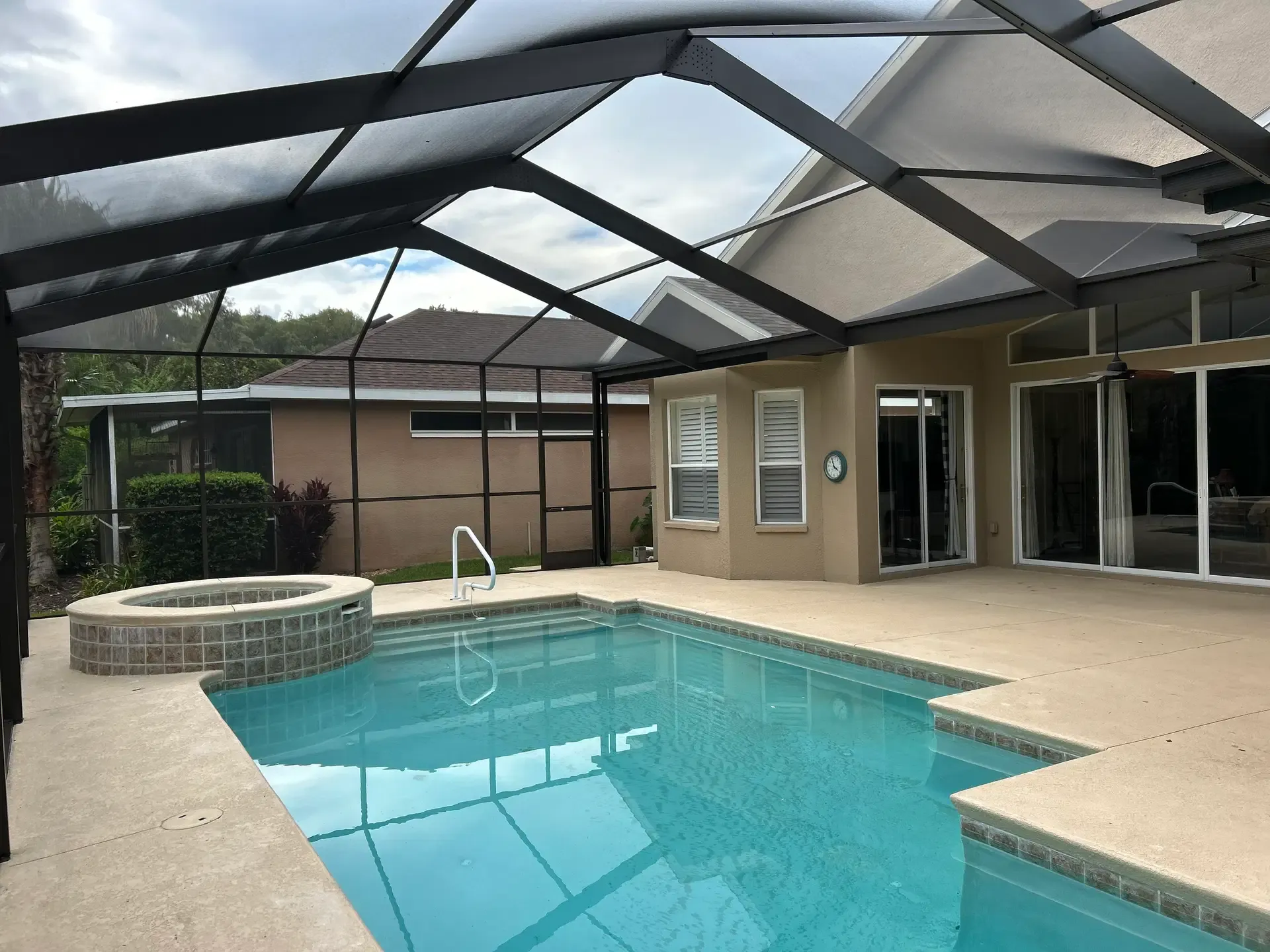
A torn lower panel, a stretched roof screen, or a frame color that no longer suits the home can make a Lutz pool cage feel tired fast. The fix may be straightforward, but in a deed-restricted community, “straightforward” still comes with paperwork.
For Oakstead and Willow Bend homeowners, think in two green lights: your community’s architectural review process and the county’s permit decision. They are separate tracks. One does not replace the other, and a county permit reviewer may not check whether your HOA has approved the project.
First, confirm which county serves your address
Lutz spans Pasco and Hillsborough counties, so a neighborhood name or mailing address alone may not tell you which rules apply to your parcel.
Oakstead is on the Pasco County side. Willow Bend needs a little more address-level care: some Lutz-area addresses associated with that name appear in Pasco, so don’t assume that “Willow Bend” automatically means Hillsborough. Check the county for your specific property before relying on a setback or permit rule.
That’s the hyperlocal detail worth catching before you order materials. A good-looking screen is lovely. A good-looking screen that’s approved and properly documented is even lovelier.
For an enclosure refresh in the area, request a free estimate or call 813-447-0431. We serve Lutz and nearby communities, and can help you identify questions to confirm with your HOA and county.
Green light one: HOA or ARC approval
Oakstead: read the current documents before choosing the finish
Oakstead’s HOA provides its governing materials (including the Declaration of Covenants, community standards, and violation policy) on its Documentation page. The current documents are the place to verify what applies to your enclosure. Oakstead’s community standards are updated, so an old summary or a neighbor’s recollection may not reflect the current rule.
For a new enclosure or a visible change, Oakstead’s architectural review process should come before construction. Start by checking the current covenants and standards, then ask the HOA or management company whether your project requires an application. Get any required approval in writing before work begins.
Willow Bend: don’t treat a permit as HOA approval
Willow Bend is also a deed-restricted community, and an ARC review may be required before adding or altering a pool screen enclosure. Ask the association or manager for the current declaration, architectural requirements, and application process. Confirm in writing whether your particular scope, especially a color or structural change, needs review.
Here’s the important distinction: county permit review does not decide whether private HOA restrictions have been met. A county may approve a permit while the association still has questions about the frame color, placement, or proposed design. That paperwork plot twist is entirely avoidable: contact both offices separately.
Green light two: the county’s permit decision
Once you know the parcel’s county, describe the project precisely. Replacing screen mesh in the existing frame is different from changing the structure.
On the Pasco County side
Pasco’s published permit exemptions list lists re-screening of an existing screen structure as permit-exempt, subject to the list’s limits. The exemption does not apply to every property or scope; for example, the document flags special flood-hazard areas and commercial properties. It also does not turn structural changes into simple rescreening.
Pasco’s Land Development Code has a five-foot minimum side and rear setback for pool screen mesh enclosures. It also addresses torn or deteriorated screen mesh up to four feet above grade. Those are county rules, not a substitute for checking recorded easements, your lot documents, or stricter community restrictions. See Pasco County’s Land Development Code.
If your parcel is in Hillsborough County
Hillsborough’s official screen enclosure and glass room checklist outlines permit and submittal requirements for enclosure additions. It calls for a scaled site plan showing the proposed work, property lines, dimensions, setbacks, and easements; building plans may also need to be digitally signed and sealed by a Florida-registered design professional.
Don’t apply Pasco’s five-foot rule to a Hillsborough property by default. Requirements depend on the parcel and project. Ask Hillsborough County how your exact scope is classified, especially if work goes beyond replacing mesh.
When in doubt, send the county a written scope and ask for a written permit determination. Rules can change, and details such as flood-zone status or structural work can affect the answer.
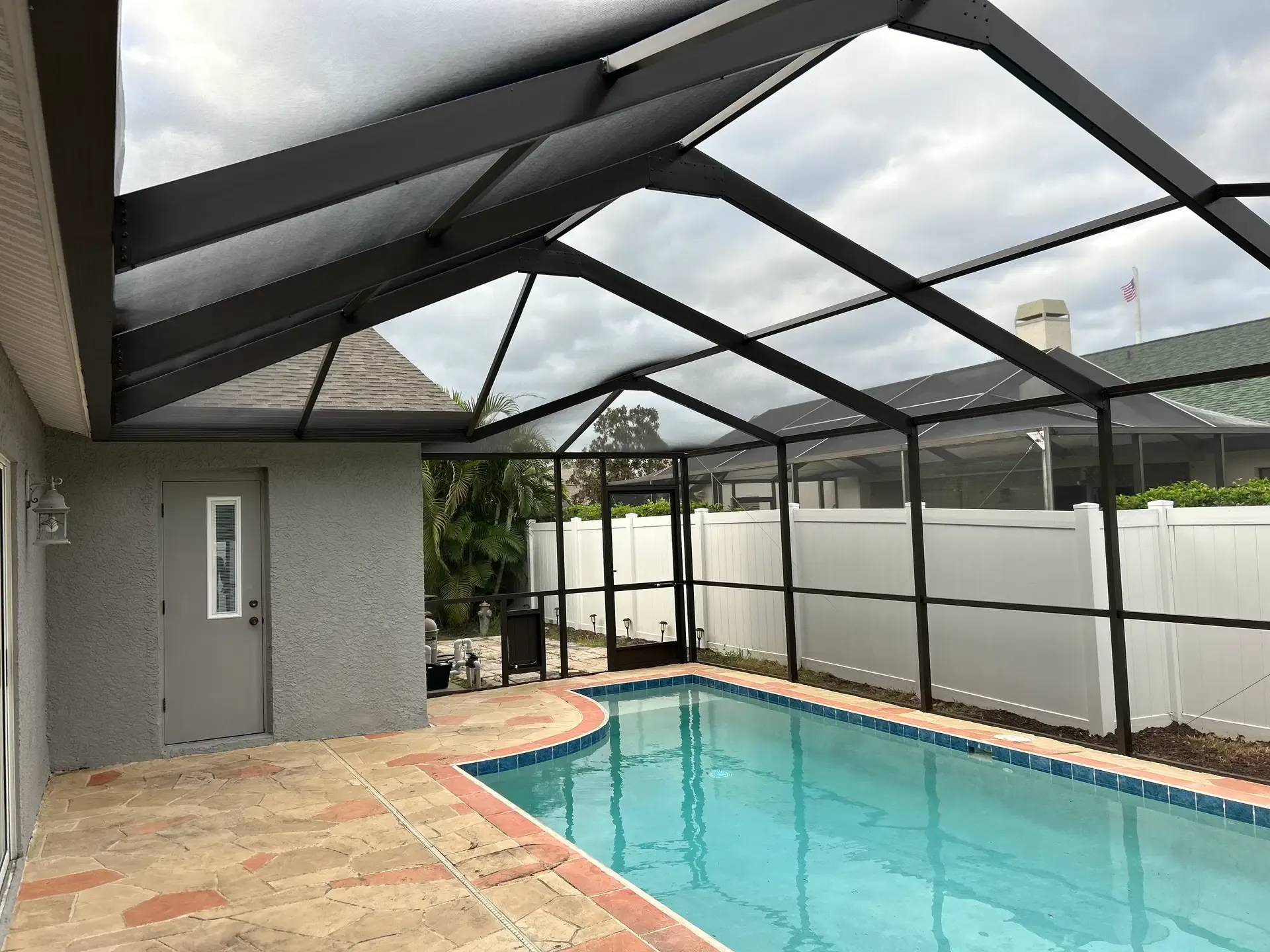
Like-for-like rescreen or visible change?
This is where a simple refresh can become an architectural review question. A like-for-like rescreen (same frame, same visible color, similar mesh, and no layout or structural changes) is often the least complicated path. But don’t assume every HOA treats it as automatically exempt. Ask first, especially if the covenants require approval for repairs or exterior work.
These changes are more likely to need prior review, and structural changes may also require a county permit:
- Changing the frame from white to bronze, or vice versa
- Changing visible kick plates or extending a kick wall
- Adding or changing cables, braces, or other structural elements
- Enlarging, relocating, or rebuilding part of the enclosure
- Changing the enclosure’s appearance or footprint
The winning move is simple: describe what is changing, not just that you’re “doing screens.”
Your ARC and county document checklist
Before submitting, gather the details that help reviewers make a clear decision:
- ✅ Project description: mesh-only replacement, visible finish change, or structural alteration
- ✅ Photos: current enclosure and the areas involved
- ✅ Material and color specifications: screen type, frame color, and visible kick-plate details
- ✅ Contractor information: business details and Florida license information
- ✅ Survey or site plan: especially for structural changes, additions, or work where setbacks matter
- ✅ Dimensions and placement: include relevant property lines, setbacks, and known easements
- ✅ Written decisions: keep the ARC response and county permit determination or permit records together
Submit the ARC application before work starts, when required. Then complete the county permit process if the scope calls for one. Keep approvals with your project records; “I thought someone checked” is not the documentation strategy we recommend.
A premium rescreen, with the paperwork in the plan
Once the approvals and scope are clear, Lily Luxe Rescreen can help restore the enclosure with high-grade mesh, stainless steel fasteners, and expert installation for a tight, secure fit. We’ll discuss mesh options around your priorities, such as visibility and insect control, and the right finish for your outdoor space.
Our estimate also explains the dual warranty and the coverage that applies to your project. Warranty details depend on the selected materials and scope, so review them with your project estimate.
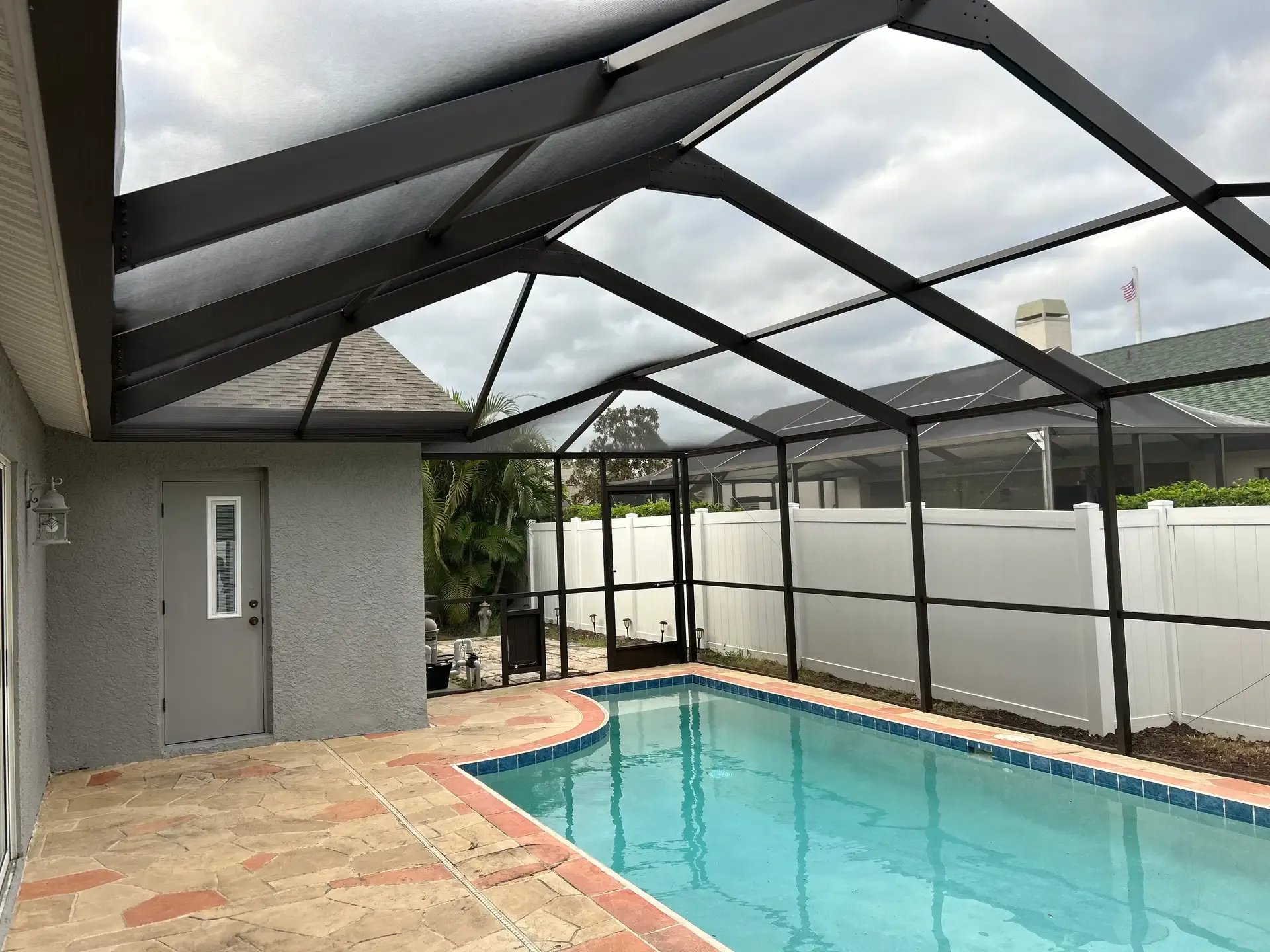
For Oakstead, Willow Bend, Lutz, and Land O’ Lakes, start by confirming your parcel’s county and asking your HOA what it needs. Then let’s talk through the screen work. Request a free estimate online or call 813-447-0431.
We also serve Odessa, Trinity, New Tampa, South Tampa, and Wesley Chapel. Lily Luxe Rescreen LLC is a Florida Certified Specialty Contractor, SCC131154765. We can help you understand the typical approval questions for your project; confirm current permit requirements directly with the county and get HOA decisions from your association.
Ready to give your enclosure a vibrant, polished refresh? Request your free estimate or call 813-447-0431.