
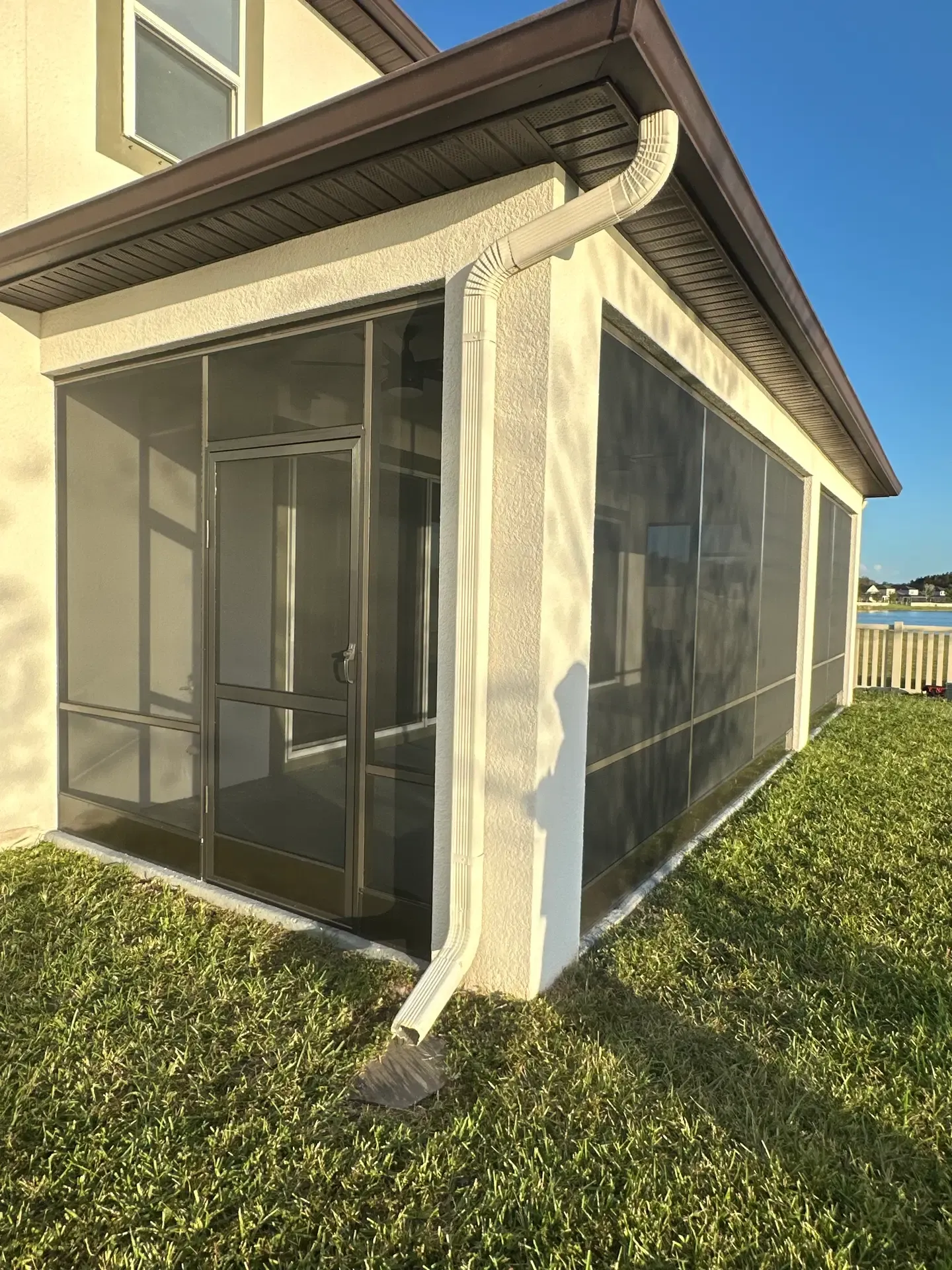
A fresh tear in the same low screen panel. Grass clippings peppering the pool deck. One enthusiastic dog, one flying pool toy, and suddenly the “mystery” is back. Around Tampa Bay, the lowest foot or two of a pool cage takes a very different kind of beating than the mesh overhead.
A kick plate can help protect that vulnerable zone. It’s a solid aluminum panel that replaces the lowest band of mesh, giving everyday bumps and scrapes a sturdier surface to meet. It isn’t right for every enclosure, and it doesn’t solve every problem, but when the bottom band keeps losing the fight, it may be a smart addition to discuss during pool screen enclosure repair or a full rescreen.
If your lower panels keep tearing, request a free estimate or call 813-447-0431. We’ll help you consider the screen, frame, and protection options that make sense for your space.
What is a pool-cage kick plate?
A kick plate, also written as kickplate, is a solid aluminum infill panel installed along the base of a screen-enclosure wall. It replaces the lowest section of mesh, often in a band around 12–24 inches high, depending on the enclosure and the homeowner’s needs. There is no single height that suits every cage.
The panel is fitted within the enclosure’s existing framing. Its job is to take routine contact and help transfer those everyday knocks to the surrounding frame instead of leaving delicate mesh to absorb them. It can also give the enclosure a tidy, finished look.
Think of it as a protective lower-wall panel, not a magic force field. The screen above it still does the work of screening the enclosure.
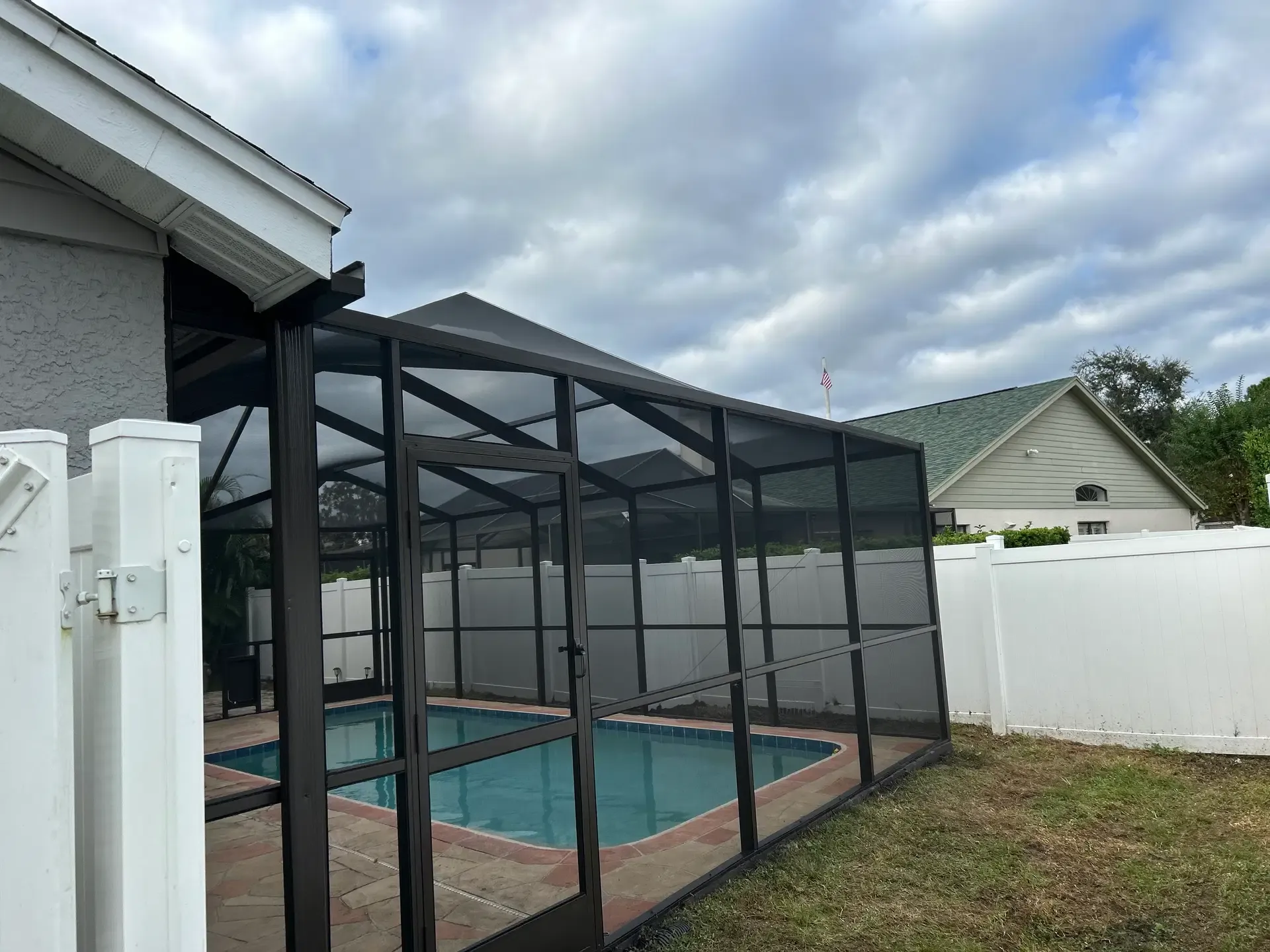
Why the bottom 12–24 inches take the worst abuse
The lowest band is right in the action zone. In Florida backyards, the usual suspects include:
- String-trimmer line: A classic reason the screen “keeps tearing in the same spot.” A trimmer can nick or cut mesh surprisingly quickly. A kick plate can protect the section it covers, but keeping lawn equipment clear of the enclosure is still the best defense.
- Pets: Paws, noses, claws, and the occasional exuberant lean can wear out a lower screen panel.
- Kids and pool toys: Balls, floats, and busy feet tend to make their own route around the patio.
- Furniture legs: Chairs shift. Loungers scrape. The mesh ends up taking the blame.
- Yard debris and splash-back: Grass, mulch, leaves, and damp soil can strike or mark the bottom section, especially after yard work or a hard rain.
A kick plate can reduce direct wear in the covered area and help keep some low-level debris from reaching the mesh. It won’t prevent every tear, block all debris, or make lawn equipment harmless. It simply gives the toughest zone a more durable surface.
When does a kick plate earn its keep?
It’s worth discussing if your household or yard puts repeated pressure on the bottom band, especially when:
- You have pets who spend time beside the enclosure.
- Lawn crews work close to the cage.
- Children use the pool area actively.
- Your yard backs onto brush or preserve edges, as some New Tampa properties do.
- You’re tired of repairing the same lower panel again and again.
It may be less useful on an interior-lot enclosure that’s sheltered by landscaping and rarely sees impacts or equipment nearby. And if the screen is wearing across the whole cage, a kick plate won’t replace a broader mesh assessment.
The right choice depends on the damage pattern, the enclosure’s existing frame and channels, door placement, drainage details, and how much open mesh you want to preserve. A taller panel means more protection in that area, but also less mesh and visibility at seated or ground level.
If you’re seeing repeat damage, request a free estimate or call 813-447-0431. Lily Luxe Rescreen serves homeowners in Lutz, Land O' Lakes, Odessa, Trinity, New Tampa, South Tampa, and Wesley Chapel.
What a kick plate is not
A clear explanation matters. A standard kick plate is a protective infill panel. It is not:
- Structural bracing. It does not replace posts, beams, cables, braces, anchors, or other elements designed to support the enclosure.
- A security barrier. It may be tougher to puncture than mesh, but it does not secure doors, prevent climbing, or stop determined entry.
- Hurricane protection. It is not a shutter, impact-rated panel, debris shield, or guarantee of storm performance.
- A substitute for a pool barrier. It does not replace the barrier required for pool safety under Florida law. Review the Florida Swimming Pool Safety Act and confirm your pool’s barrier requirements with the appropriate building or safety professional.
A kick plate should never be used to hide damaged framing, failed anchors, or other structural concerns. If you have questions about the enclosure’s stability, that deserves a separate assessment by an appropriately qualified professional.
Why full rescreening is the right moment to ask
If the same bottom panel has already needed repeated repairs, it may be time to address the pattern, not just replace another patch of mesh. A full rescreen creates a natural opportunity to review the lower band, discuss whether a kick plate suits the enclosure, and coordinate the details before new mesh goes in.
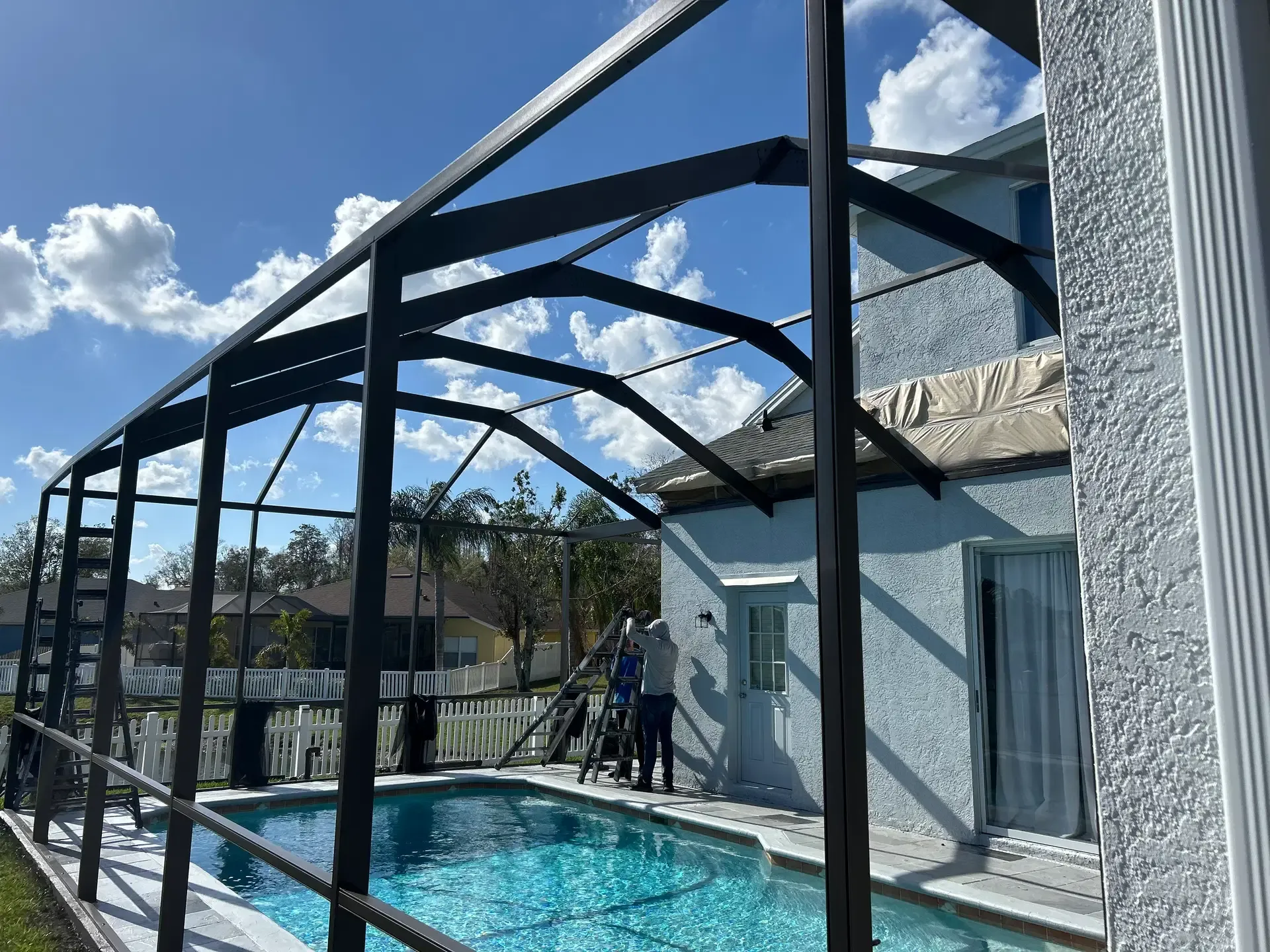
At project review, consider panel height, color, placement, doors, frame condition, and drainage. A kick plate should be fitted to the enclosure, not treated as an afterthought. Where appropriate for the project, stainless steel fasteners can be part of the installation plan.
The screen matters, too. Lily Luxe Rescreen uses high-grade mesh selected around the homeowner’s priorities, with expert installation for a tight, secure fit. Product details and warranty terms vary by material and project; any dual warranty and its applicable coverage will be confirmed in your estimate.
Want to compare mesh and enclosure options? Explore our rescreening services and screen types.
Looking for a privacy screen for your pool enclosure?
A kick plate can add limited privacy near the deck or at seated eye level. But it only covers the lower band. If you’re searching for a privacy screen for pool enclosure areas, consider how much privacy you want, where you want it, and what visibility or airflow you’re willing to trade. A kick plate is one possible lower-wall solution, not a full-height privacy screen.
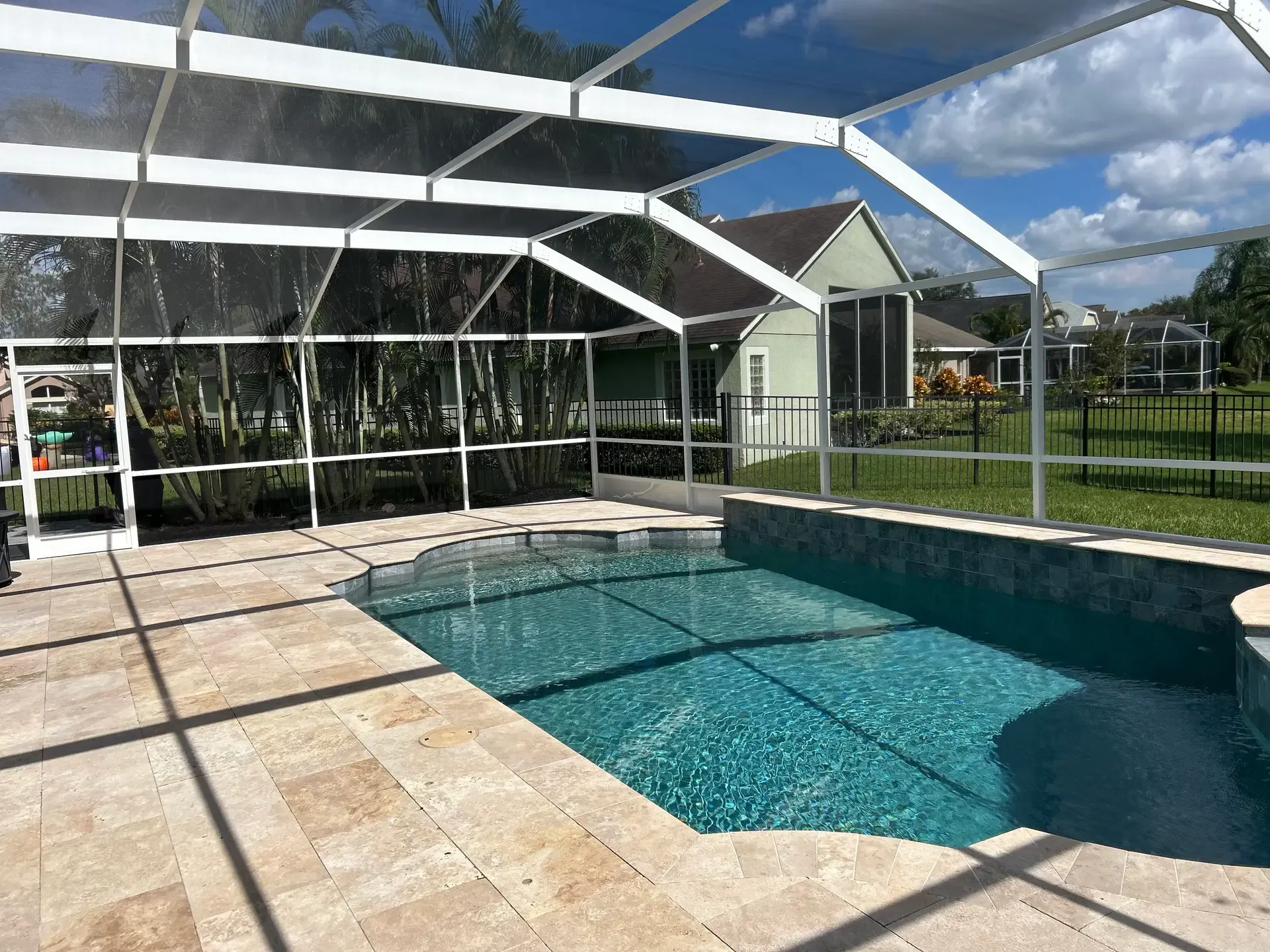
Lily Luxe Rescreen is locally owned and focused on restoring the comfort and appearance of Tampa Bay outdoor spaces. We’ll look at the recurring damage, explain practical options, and help you decide whether a focused repair or a wider refresh is the better fit.
For a free estimate, start here or call 813-447-0431. Lily Luxe Rescreen LLC is a Florida Certified Specialty Contractor, SCC131154765.
The kick-plate gut check ✅
- ✅ Does the bottom screen keep tearing in the same area?
- ✅ Are pets, toys, furniture, or lawn equipment frequent visitors to that wall?
- ✅ Would a solid lower panel help protect the mesh you want to keep?
- ✅ Have you considered visibility, airflow, door placement, and drainage?
- ✅ Are you clear that a kick plate is not structural bracing, security protection, hurricane protection, or a pool-safety barrier?
If your answers point to repeated lower-panel wear, bring it up during your next rescreen conversation. The best fix may be a new screen, or a smarter plan for the band that takes the daily beating.