
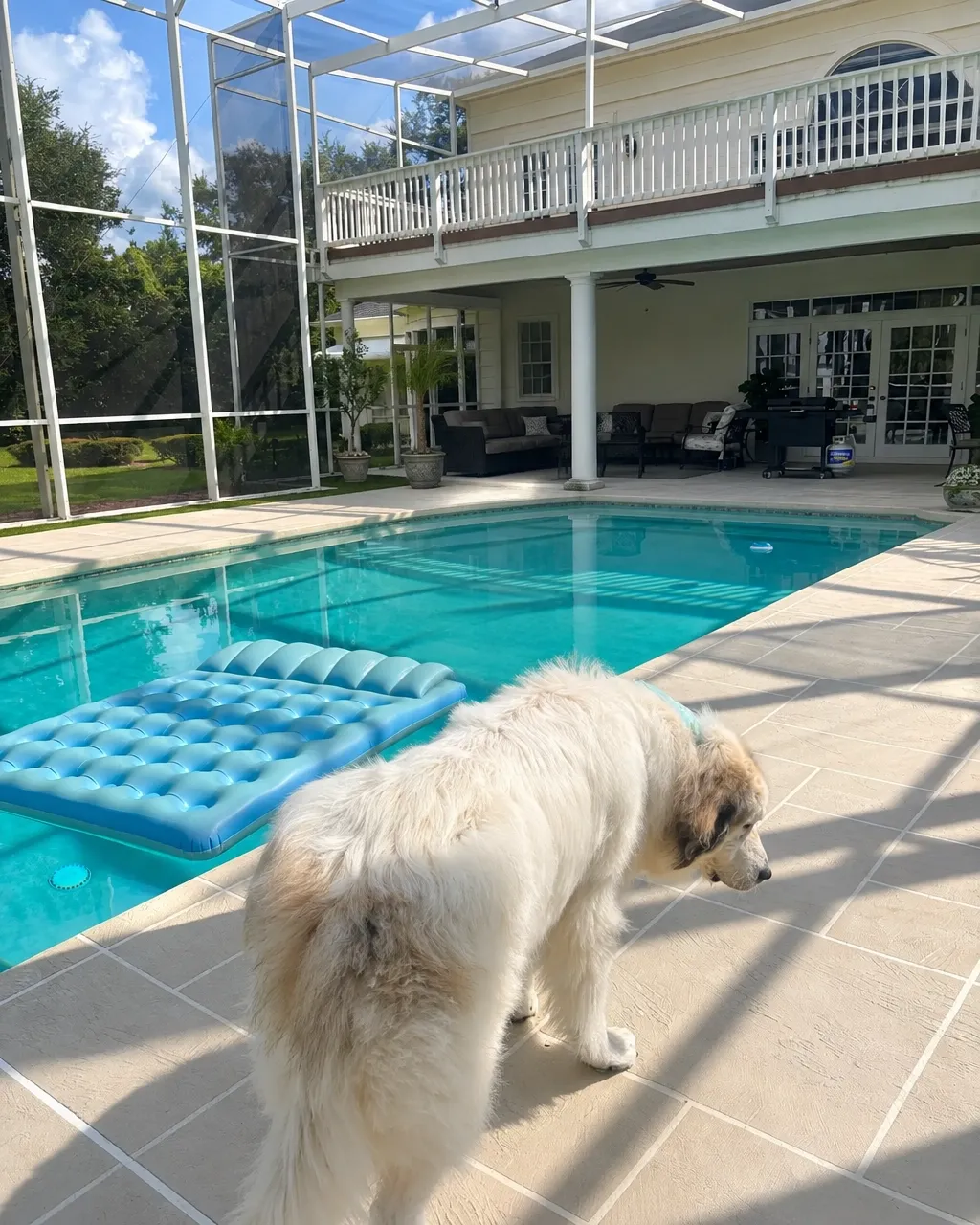
If your dog paws at the screen whenever a squirrel makes an appearance, or your cat treats a loose corner like a climbing invitation, you’re not imagining the pattern. Standard fiberglass mesh can snag, tear, and start the familiar repair loop: patch, wait, repeat. Pet-resistant mesh offers a more durable option for high-contact areas, without giving up the bug-blocking airflow that makes a lanai or pool cage a favorite family room.
For homeowners in Lutz, Land O’ Lakes, Odessa, Trinity, New Tampa, South Tampa, and Wesley Chapel, Lily Luxe Rescreen can help you decide whether a few vulnerable panels need an upgrade or your enclosure is ready for a full refresh.
Ready to talk through your options? Request a free estimate or call or text 813-447-0431.
Why standard screen loses the claw-and-paw showdown
Fiberglass insect screen is lightweight and suits many enclosures. But it isn’t designed to shrug off repeated claw contact or pressure in the same spot.
A claw can snag a strand. Once a strand breaks, the opening may spread as the surrounding weave gives way: the frustrating “unzip” effect. Dogs often paw or jump at lower panels when they spot birds, squirrels, or the neighborhood’s most fascinating leaf. Cats may climb or hang from the mesh. The pressure points are predictable:
- The lower three to four feet of pool cage and lanai panels
- Corners where pets investigate or push
- Door edges and pet-door openings
- The favorite lookout spot overlooking the yard
A small tear in one of these places can be more than a cosmetic annoyance. It can invite bugs into the outdoor space and leave the panel increasingly vulnerable to another push.
What pet-resistant mesh is, and what it isn’t
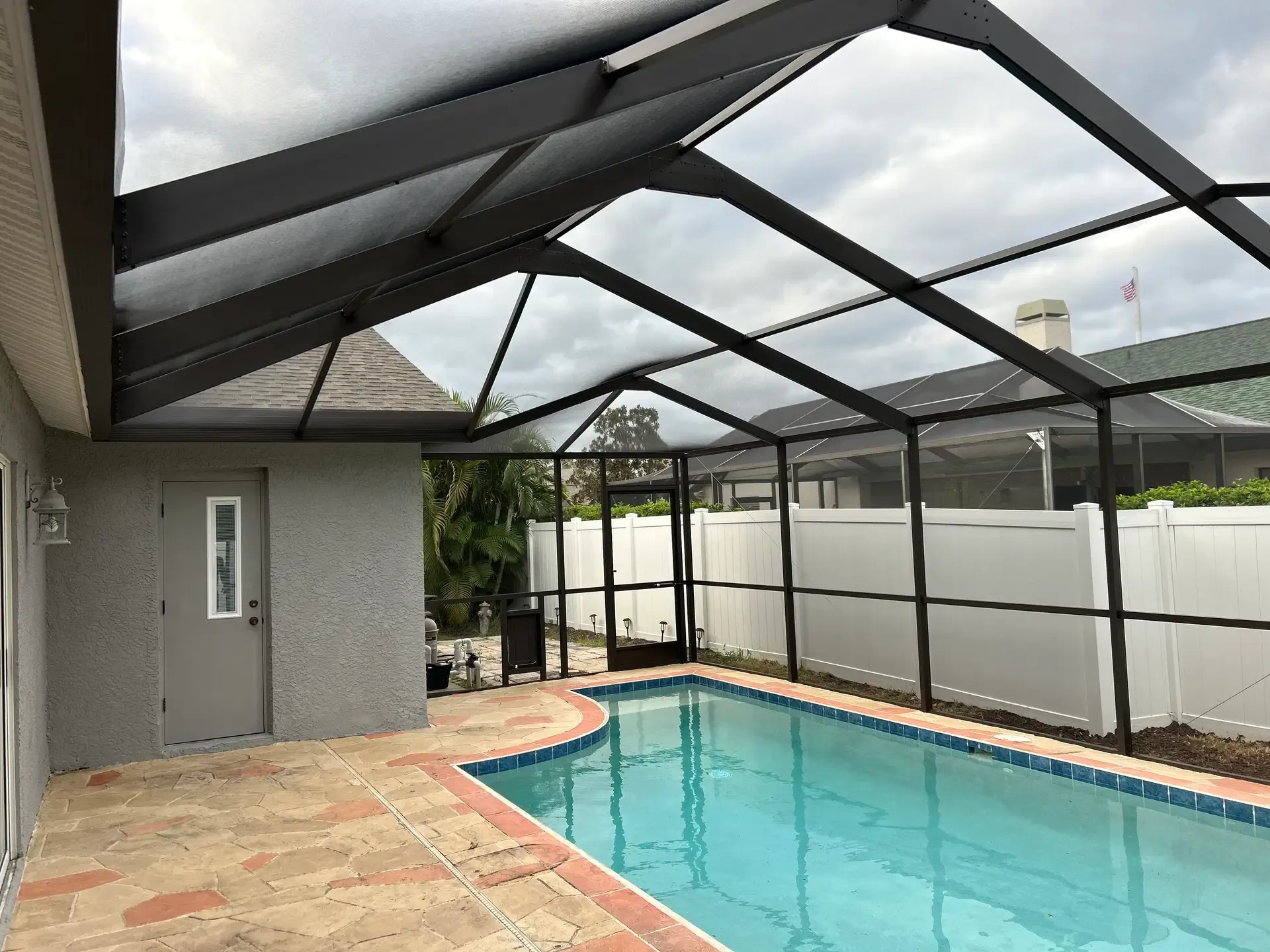
Pet-resistant screen is typically made from heavy-duty vinyl-coated polyester with thicker strands and a more substantial weave than standard fiberglass. The specific material and performance vary by product, so it’s wise to compare the manufacturer’s specifications instead of relying on a generic strength slogan.
One option we install is Perfect Patio 14/10 Perfect Pet, which the manufacturer describes as PVC-coated extruded polyester mesh designed for added durability in pet and high-traffic spaces — and it carries a manufacturer product guarantee (12-year, subject to registration and the manufacturer's written terms, covering product replacement rather than labor). You can review our screen types and material options before choosing.
This heavier mesh is engineered to better tolerate everyday claw contact and pet-driven wear while maintaining insect screening and airflow. But “pet-resistant” is not “pet-proof.” A determined, large dog that repeatedly charges a panel can still damage mesh, or put stress on the surrounding frame. Cats can still climb it; the mesh is simply better equipped to withstand the contact.
✅ Quick gut-check
- Good candidate: Your pet occasionally paws, leans, or brushes against a panel.
- Worth discussing: Your pet repeatedly jumps at one spot or climbs screens.
- Consider more than mesh: An animal that charges the enclosure may need a different setup, such as a pet door, a barrier, or appropriate frame reinforcement.
A free estimate can help identify the right scope for your enclosure. Request one online or call or text 813-447-0431.
The smart upgrade: reinforce the panels pets actually use
You don’t necessarily need pet mesh across every opening. Many homeowners choose a mixed-panel strategy: upgrade the lower panels or other high-contact areas to pet-resistant mesh and keep a lighter screen elsewhere.
That can be a practical way to prioritize durability while keeping the rest of the enclosure consistent with your budget, visibility, and airflow preferences. It’s particularly useful for:
- Pool cage maintenance when only a few lower panels are repeatedly damaged
- Patio screen repair near a dog’s favorite window on the world
- Lanai screen replacement in spaces where pets lounge outdoors with the family
- Screen doors and pet-door areas that see frequent traffic
- Pool screen replacement when a full rescreen is already on the project list
If multiple panels are worn, or the enclosure is due for a larger refresh, pairing a rescreen with a pet-mesh upgrade can bring the space together in one coordinated project. We’ll review where standard mesh makes sense and where a more durable panel could help.
The honest trade-offs: visibility, cost, and installation
Pet-resistant mesh is thicker and heavier than standard fiberglass. That added substance comes with a few considerations:
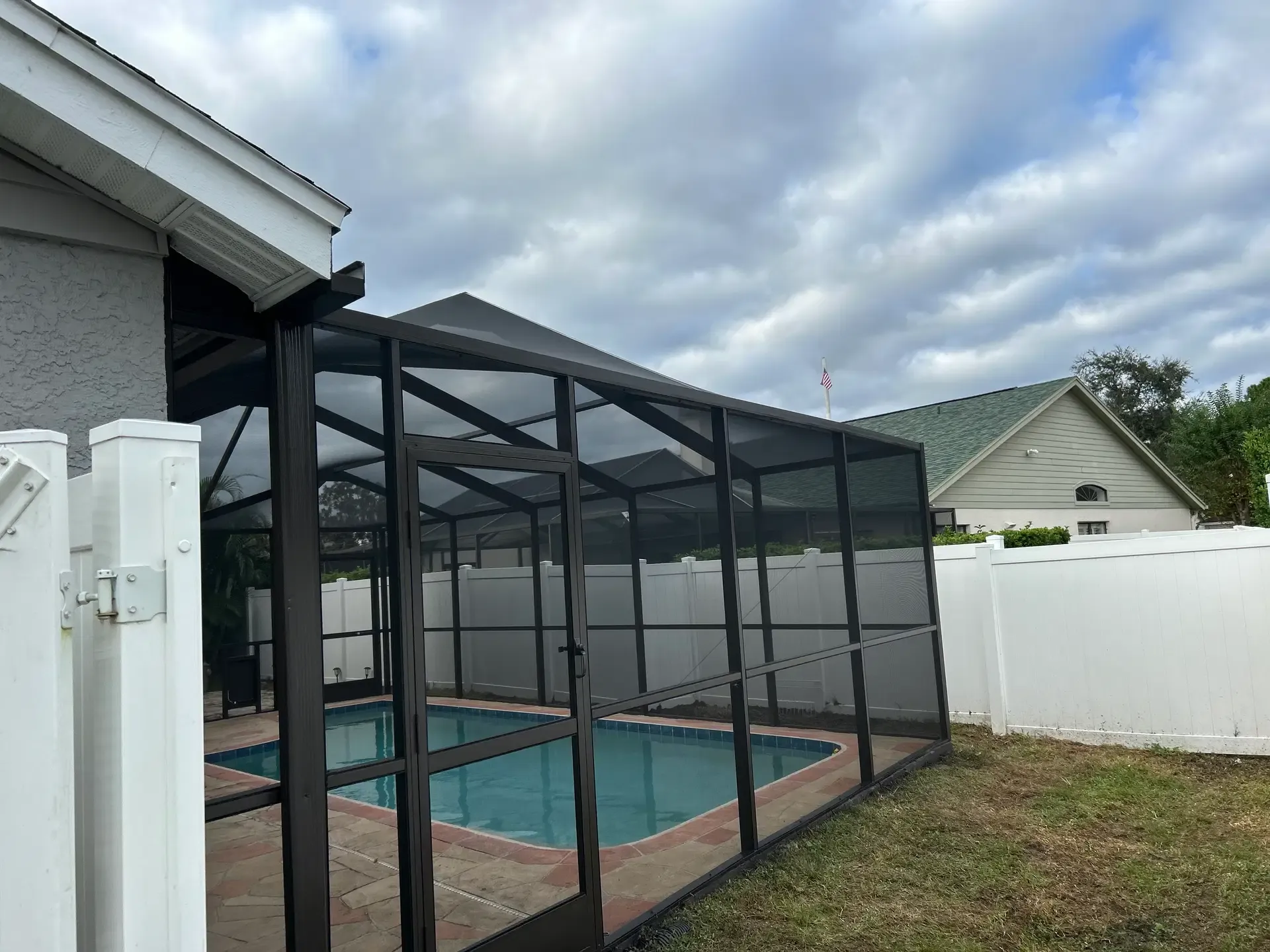
- A slightly darker, more noticeable view: Pet mesh can look more opaque and may change how much light passes through compared with standard insect screen.
- A higher per-panel material cost: The heavier-duty material generally costs more than standard fiberglass.
- A more exacting fit: Mesh thickness affects the spline and tension needed to secure the panel properly.
That last point matters. The correct spline depends on the enclosure’s channel and the chosen mesh, not just the size of the old spline. If the spline is wrong or the panel is poorly tensioned, the screen may not stay seated as it should. Professional installation helps achieve the tight, secure fit that supports a clean finish and dependable performance.
Our screen enclosure services include screen repairs and rescreening for pool cages, lanais, and patios. We use high-grade materials, and when the project scope calls for enclosure hardware, stainless steel fasteners can help support a polished, durable result. We’ll also explain the applicable dual warranty for workmanship and materials with your estimate, so you know what coverage applies to your selected products and project.
Keep pet mesh in good shape
Durable doesn’t mean maintenance-free. A quick periodic check can help catch small issues before they become another screen-repair ritual.
✅ Keep claws trimmed. Clipping nails reduces snagging and wear on any screen type.
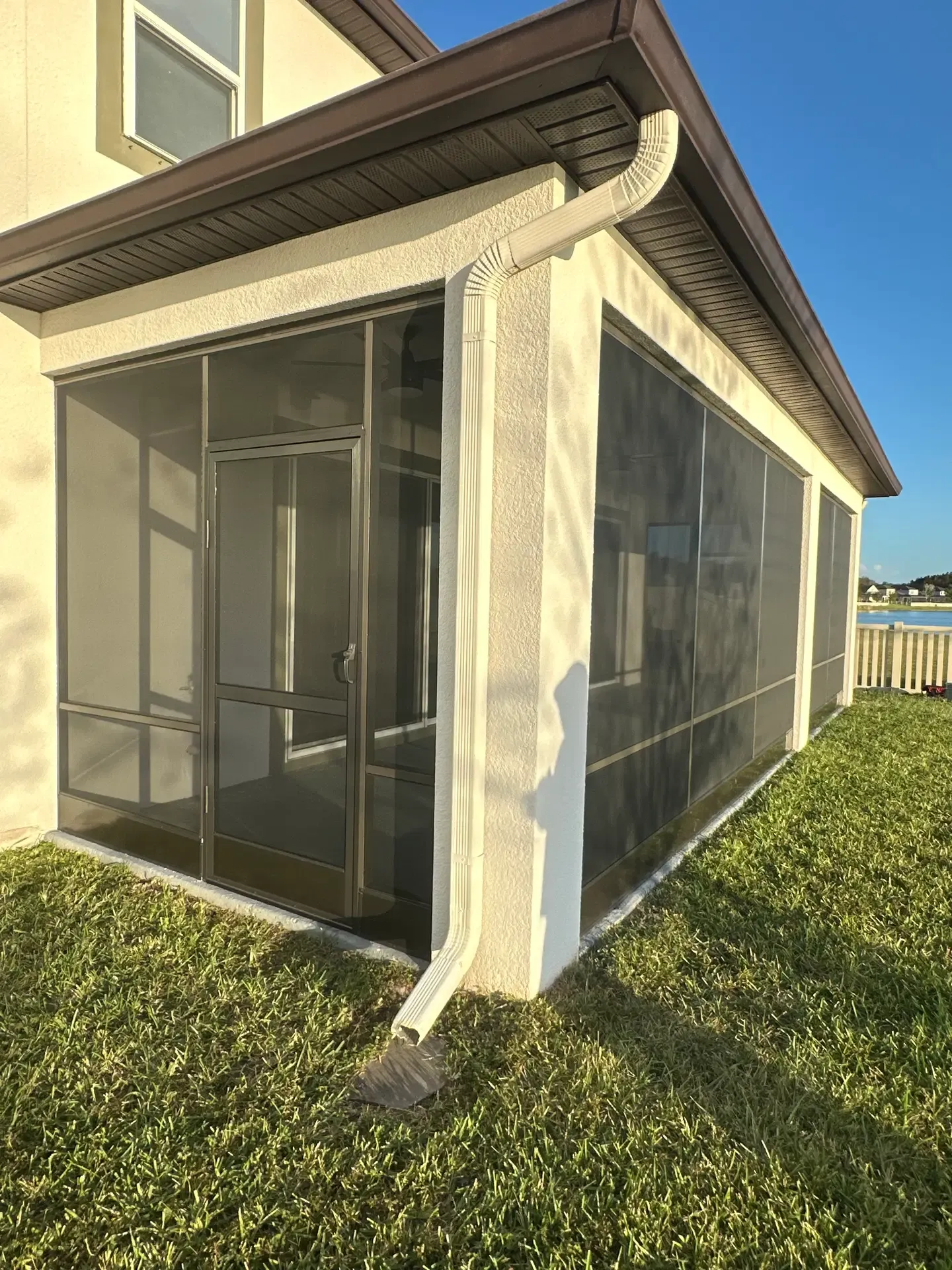
✅ Check corners and spline lines. Look for loosened edges, popped spline, or places where the panel has begun to pull away.
✅ Rinse away dirt and salt. Use water and a soft cloth or brush. Avoid abrasive tools and forceful spraying that could damage the mesh or disturb its fit.
✅ Notice repeat behavior. If your pet returns to the same spot, consider reinforcing that area rather than waiting for another tear.
A pet-friendlier enclosure, with a luxe finish
The goal isn’t to blame the dog, or lecture the cat on interior design. It’s to choose screen material that better suits how your household actually uses the space. A carefully selected pet-resistant panel can help reduce repeat damage, preserve your bug-free outdoor room, and keep the enclosure looking crisp.
Lily Luxe Rescreen is a local, Florida Certified Specialty Contractor (SCC131154765), serving homeowners in Lutz, Land O’ Lakes, Odessa, Trinity, New Tampa, South Tampa, and Wesley Chapel. Whether you need one high-contact panel or a full pool screen enclosure repair and rescreen, we’ll help you compare the options and choose a fit for your home and pets.
Let’s make the next screen repair the one that lasts longer. Get your free estimate , call or text 813-447-0431, or visit lilyluxerescreen.com.