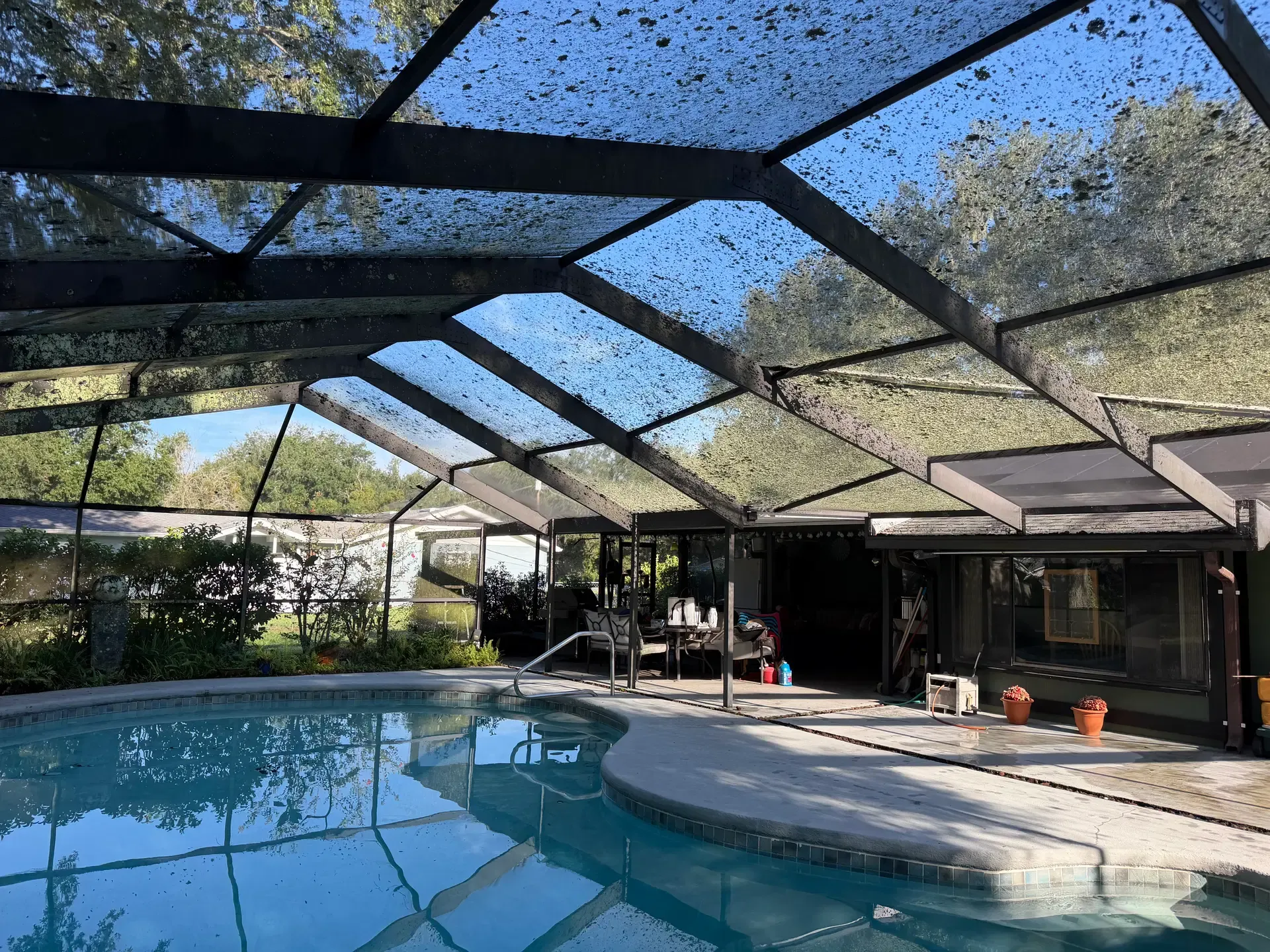
A pool cage can look like it needs a fresh screen job when the bigger issue is quietly happening behind the mesh: the structure may be flexing, racking, or losing support. If the same lower panel keeps tearing or a screen edge keeps popping loose, replacing the mesh alone may not solve the reason it keeps happening.
The right first step is a closer look at the enclosure, not a guess, and definitely not a quick turn of a cable with a ladder and a wrench. Lily Luxe Rescreen helps homeowners across the Tampa Bay area understand their screen needs and choose a polished, durable restoration plan. Request a free estimate or call 813-447-0431.
A pool cage is more than screen in a frame
Your enclosure’s aluminum members, connections, anchors, and support details work together. The shape and design matter. In a gust, a wide, unbraced section can flex or rack, putting repeated stress on connections and screen panels. Over time, that movement may contribute to loosened connections, popped spline, torn mesh, or damage elsewhere.
Florida’s building code addresses wind design for screened enclosures, but that doesn’t mean every cage needs the same brace, or any added brace at all. The right approach depends on the enclosure’s design, spans, condition, and applicable wind-load requirements. The code is a design framework, not a one-size-fits-all retrofit recipe. See Florida Building Code, Chapter 20, Section 2002.4.
On some taller cages, a designed diagonal brace or cable-brace system may be part of the support strategy. Depending on the structure, a brace may run diagonally from the roof-line area through a wall section toward the concrete deck. Its location, angle, connections, and tension must suit that specific enclosure. A cable that merely looks taut is not proof it is correctly installed.
The “same panel again?” gut-check list
Take a look at your enclosure from a safe spot on the deck. Don’t climb the frame or pull on cables. Watch for patterns:
- ✅ Panels flutter noticeably when a breeze moves through.
- ✅ Spline keeps popping out of the lower track or another screen channel.
- ✅ Lower panels tear repeatedly, especially in one familiar spot.
- ✅ The same panel has been repaired more than once without a clear explanation.
- ✅ You see slack, corroded, or visibly damaged cables or hardware.
- ✅ A section seems to shift, lean, or flex more than neighboring sections.
One sign alone doesn’t diagnose a structural problem. But recurring trouble deserves a closer look. If the frame, connections, or brace condition seem questionable, get an appropriately qualified enclosure professional or design professional to assess them before treating the issue as a routine screen repair.
Slack cables can turn into repeat repairs
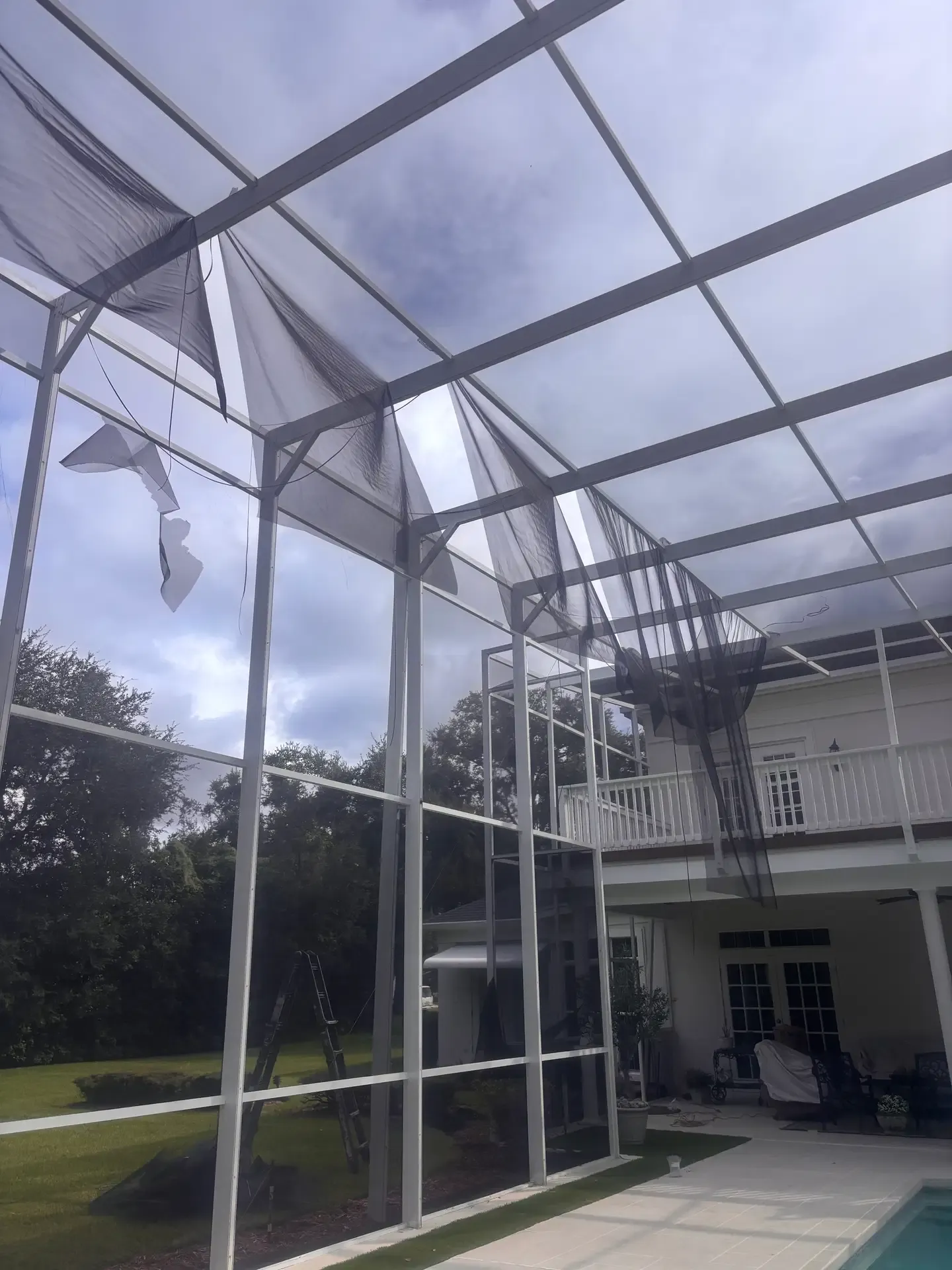
Cables can corrode or stretch over time, and their tension can change. When a brace system is compromised, affected sections may move more than intended. That movement can make panels flutter and place extra strain on the screen edge. In some cases, the spline may work out of the lower track, and a newly repaired panel may fail again.
That’s the frustrating loop: repair the symptom, skip the cause, repeat. Frequent repairs to the same area can add cost and inconvenience without addressing the structure’s underlying movement. And if a storm puts added stress on an already vulnerable section, damage may extend beyond one screen panel.
A brace is not a magic “storm-proof” upgrade, either. It works only as part of a suitable structural design, with appropriate connections and anchors. Adding, relocating, or tightening a brace is not a DIY task. Incorrect placement or tension may put stress where it does not belong. If you suspect a problem, leave the cables alone and arrange a proper assessment.
Kick plates protect the lower wall, not the whole cage
Kick plates, also called kick panels, are solid or more durable panels installed along part of the lower wall on some enclosures. They can help shield lower screen sections from everyday bumps and contact, including activity around a pool deck. They may also change the enclosure’s exposure to wind, depending on the design.
They are not a substitute for structural bracing, and they don’t correct a loose connection or a flexing frame. If a lower screen keeps tearing, check whether there’s a practical cause, such as frequent contact, but don’t assume a kick plate alone will solve a repeating structural issue.
Once the enclosure’s structural condition is understood, Lily Luxe Rescreen can help with the screen side of the project. Our pool screen enclosure repair, pool screen replacement, lanai screen replacement, and screened in patio repair services focus on restoring function and a crisp, luxe finish. Request your free estimate or call 813-447-0431.
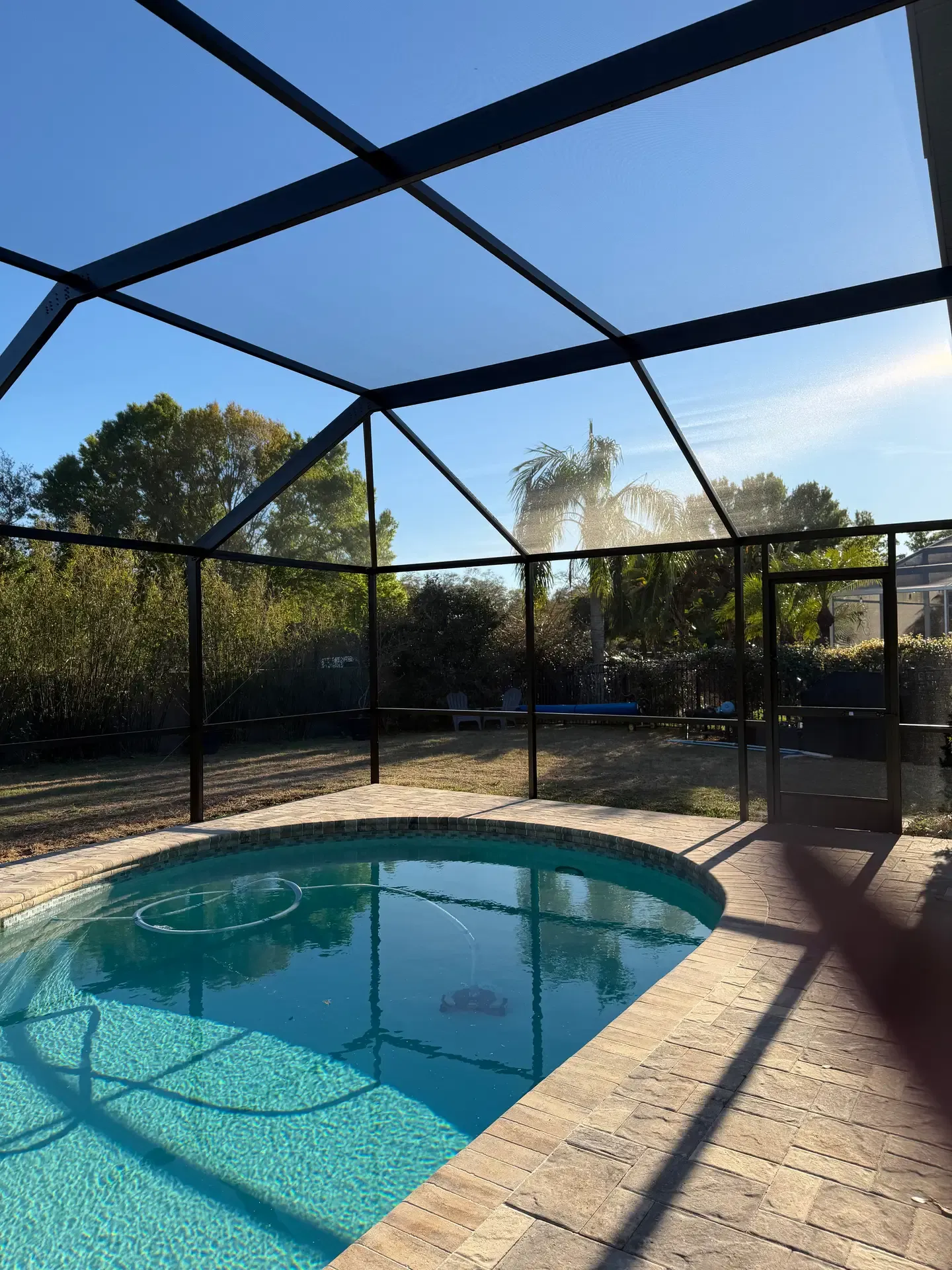
A taut, well-fitted screen makes the outdoor space feel like an extension of home. The frame still matters, of course: a premium mesh installation can’t compensate for a damaged structure. We’ll discuss screen choices and project scope with you, and recommend that any structural concerns be addressed by the right qualified professional.
For screen options, explore our screen types for pool cages, patios, and pets or learn more about our rescreening and restoration services. Depending on the enclosure and selected product, we offer high-grade mesh, carefully installed for a tight, secure fit, with stainless steel fasteners where appropriate to the project. We also offer a dual warranty, with applicable coverage confirmed in your estimate.
What does it cost to leave the issue untreated?
There isn’t a responsible one-price answer without seeing the enclosure. The cost depends on the structure, access, condition of the frame and connections, and what work is actually needed. But leaving recurring movement unaddressed can mean paying for the same panel repair repeatedly. A severe storm may add more damage and disruption.
A careful evaluation helps separate screen wear from structural concerns, so you can make a practical plan rather than keep paying for the same symptom. Ask for a free estimate or call 813-447-0431.
A note for HOA and ARC communities
If a proposed repair adds a visible structural modification, such as a new brace on a prominent elevation, check your HOA or Architectural Review Committee (ARC) guidelines before work begins. Confirm what drawings, product details, finish information, or contractor documentation the committee requires. Secure any needed approval and keep the records with your project paperwork.
This is especially helpful in neighborhood-specific communities across Lutz, Land O’ Lakes, Odessa, Trinity, New Tampa, South Tampa, and Wesley Chapel, where association requirements and review timelines can differ. If you’re planning rescreening services near me, allow time to confirm both the technical scope and any community approval requirements.
Give your enclosure the right kind of gut check
A repeating screen tear may be a screen problem, or it may be your cue to look more closely at the support behind it. Don’t guess at cable tension, add a brace by eye, or expect fresh mesh to fix a moving frame. Get the structure assessed, then choose the right repair or rescreening plan.
When the structure is sound and it’s time to refresh the screens, Lily Luxe Rescreen brings expert installation and a premium finish to outdoor spaces throughout the greater Tampa area. Request your free estimate or call 813-447-0431.
Lily Luxe Rescreen LLC is a Florida Certified Specialty Contractor, SCC131154765.